


Current clarification ·
KAS is an association, not a shop or marketplace. This guide does not advertise available puppies or prices.
Health and veterinary care
Veterinary examinations assess clinical condition. Depending on the dog and programme, they may address joints, heart, eyes, hearing, breathing or reproductive health. Selection and interpretation of examinations belong to the veterinarian; they are not automatically molecular genetics. KAS reviews submitted results and their relevance to internal breeding approval.
Choosing a puppy and family care
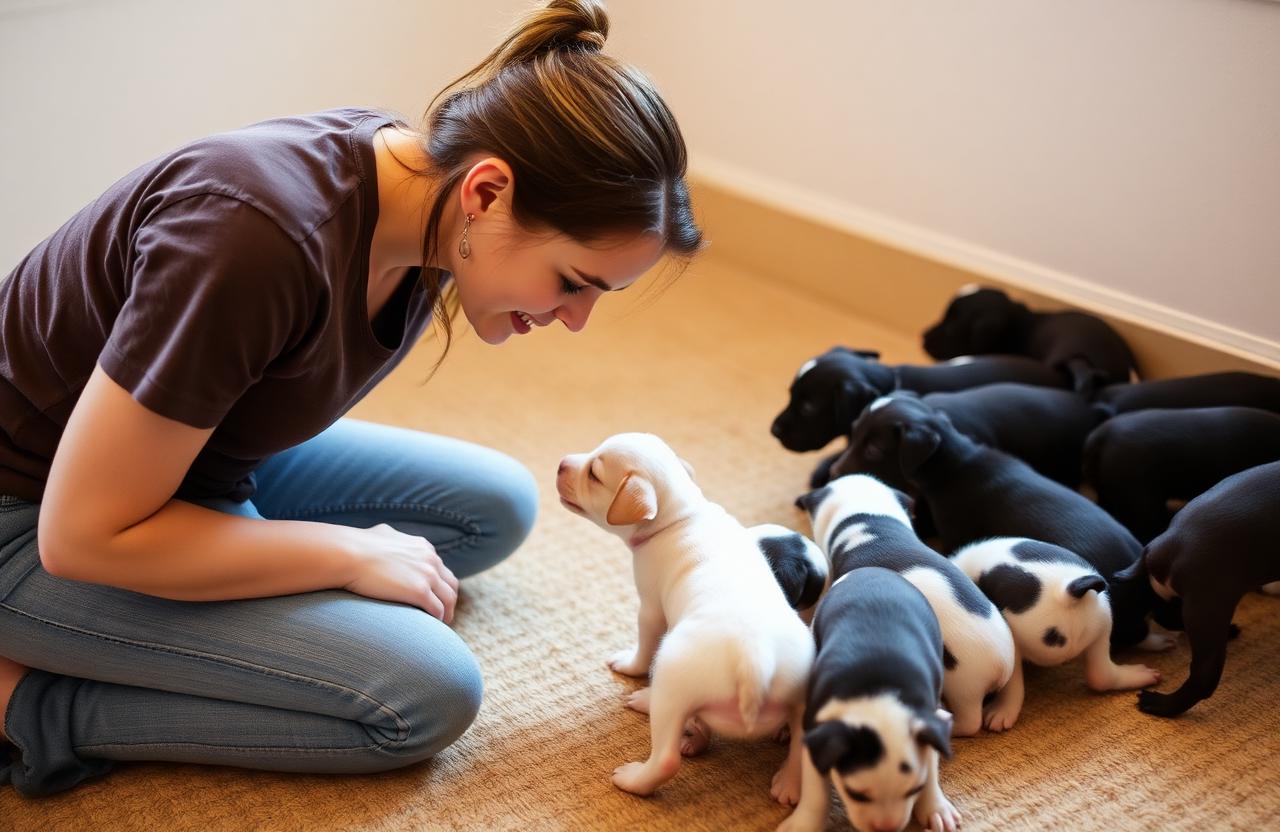
Understand the breeding environment, meet the mother where appropriate, and discuss daily socialisation. Plan veterinary care, safe exercise, rest and coat care. At handover verify identity and the applicable age, vaccination and cross-border movement rules; a passport is not a universal requirement for every domestic handover.
Understand the breeding environment, meet the mother where appropriate, and discuss daily socialisation. Plan veterinary care, safe exercise, rest and coat care. At handover verify identity and the applicable age, vaccination and cross-border movement rules; a passport is not a universal requirement for every domestic handover.
Pedigree, identity and documents
Ask for the puppy’s identity, contract and an explanation of its genealogical document. Discuss available health outcomes with the breeder and veterinarian; DNA requirements depend on the specific programme, not a universal rule. Originals generally remain with breeders, vets or laboratories. An association pedigree is neither a health guarantee nor a state certificate.
Supervision, DNA & privacyQuestions and answers
Recording outcomes, not keeping every original report?
KAS records assessment outcomes and internal reproductive suitability approvals in association registers. Original clinical and laboratory reports generally remain with breeding families, veterinarians or laboratories. KAS is not a central archive of all reports, a DNA bank or a general custodian of samples. A genealogical entry is not a complete genetic history.
Official written contact
kennelassociationslovenskokas@gmail.comThis recommended channel does not exclude requests validly submitted through other channels recognised by law.